We tried to imagine what this land used to look like. Before the land transfer. Before the war. Even before the colonists came. Because we were smart enough to know that all the restoration in the world wouldn’t bring it back to its original state. We’d already had countless conversations about whether or not we could ever even know what original meant. Or native, or wild, for that matter. These words, while interesting, are only words. Just because something is called wild doesn’t mean it is. Just because something is called tame doesn’t mean it is.
It comes down to intent versus impact, as always. This land was taken at least twice, and now there are efforts to give it back – to the Ho Chunk Nation who sees it as sacred, to the farming families generations later, and to the land itself. I find that the land is often the most willing to accept an apology. Perhaps she has a keen sense of sincerity. Plus, it wasn’t that she cared why the land was given back – those are issues to be worked out among the humans. It’s the impact that matters, always. The intention for this land could have been anything else, but the impact of restoring it to the pre-first-taking state was the real reward. When you bring back the grasses, you bring back the birds. When you bring back the flowers, you bring back the bees. Maybe it doesn’t really matter what your intention is when the world is full of grasses and flowers and birds and bees.
A reconciliation, then. An apology for the taking, an intention to give it back. And then a follow through with an incredible impact.
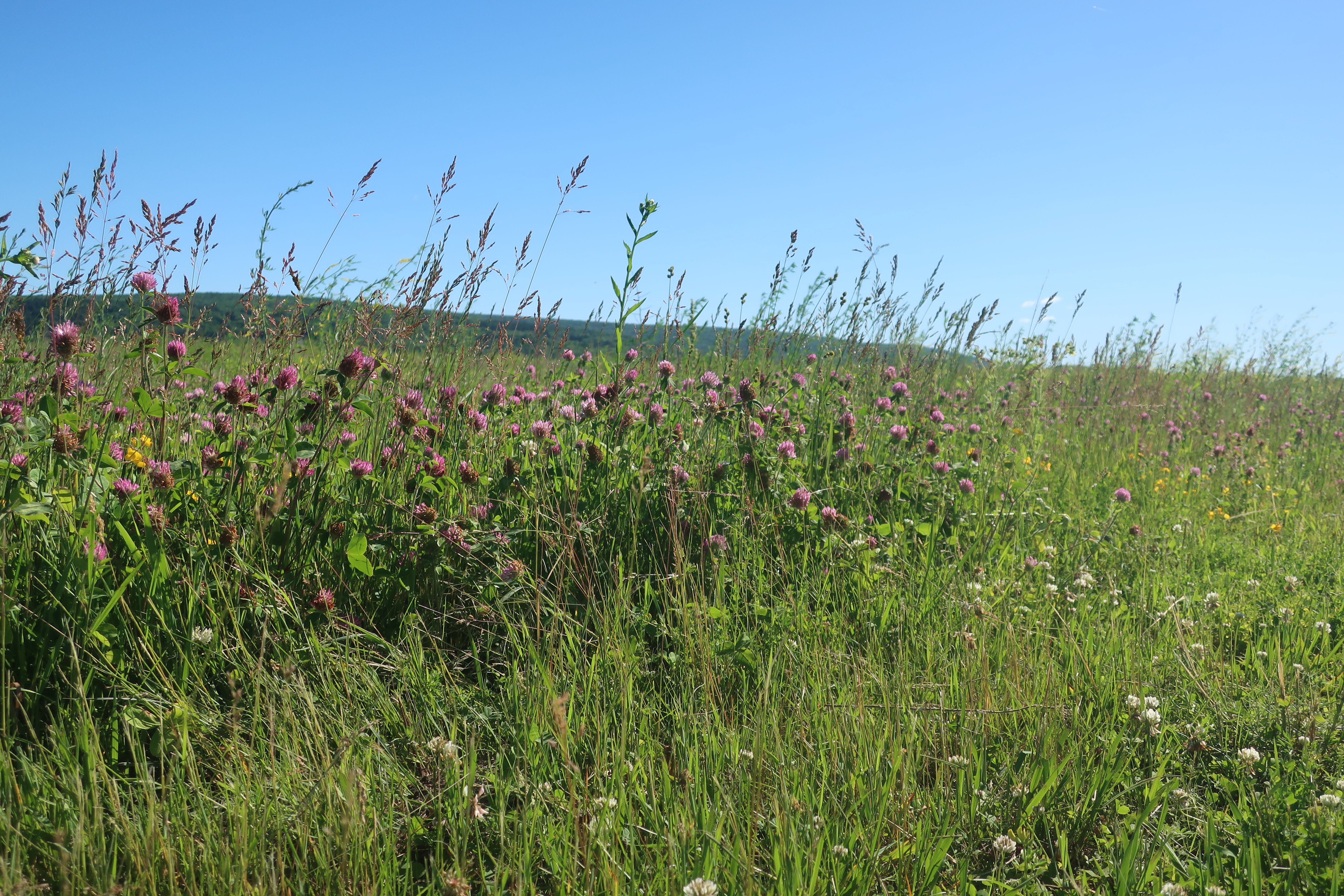
Badger Army Ammunition Plant, Baraboo, Wisconsin
June 2018
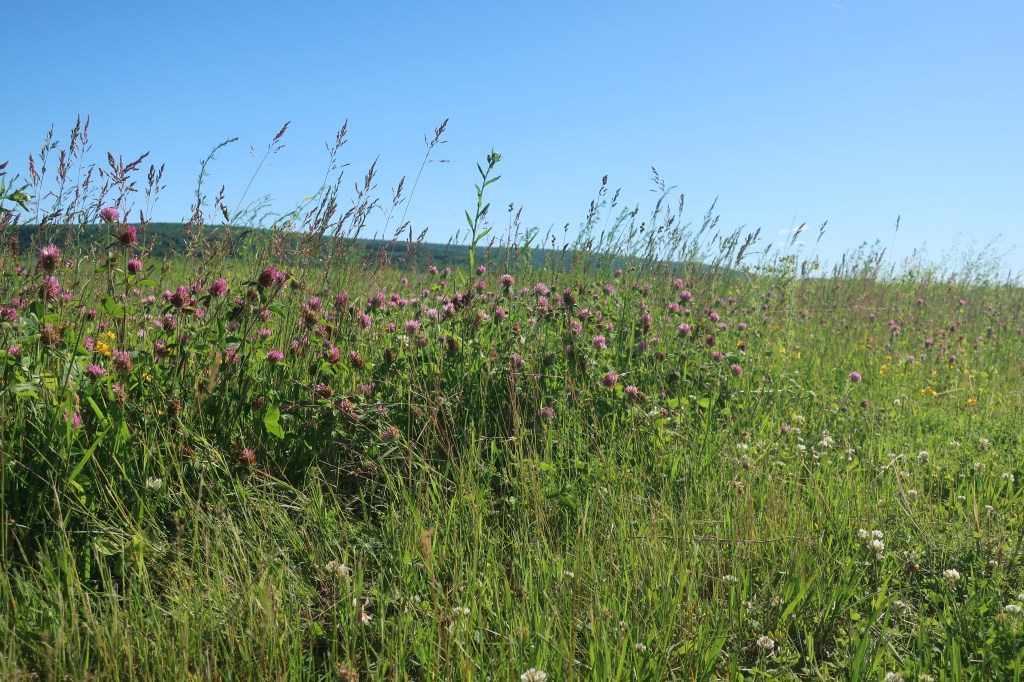
 Kelly Green Guilbeau